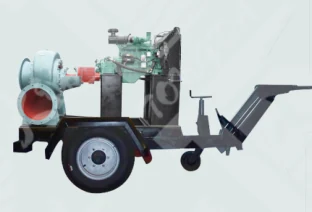
TDFC Flood Risk and Emergency Flooding Pumper
The mobile pump consists of pumps, power equipment, frame and control systems.
At the same flow of 100 m³/h, domestic water supply needs stable pressure, fire protection needs to meet acceptance requirements, and process applications need corrosion resistance and reliable operation. Define the application before selecting the pump.
The mobile pump consists of pumps, power equipment, frame and control systems.
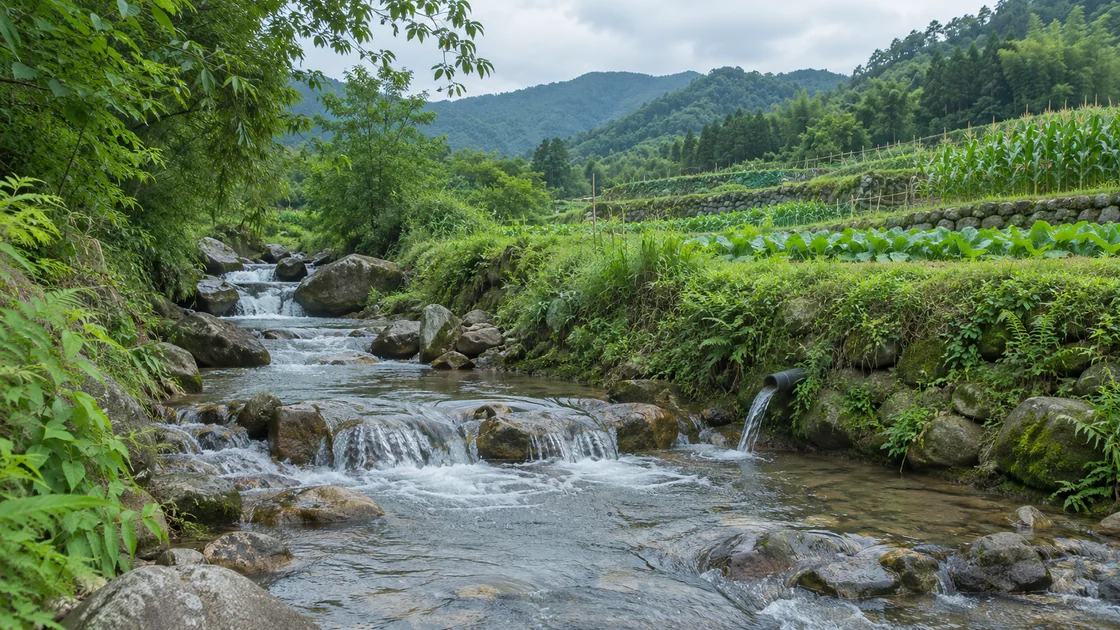
If you have steady water and available drops, you can assess the hammer or wheel pump.

The Toongda sample shows the lawn pump station, which can be configured with pumps, middle control, filtering, valve pipe and fertilizing systems according to the project.
The pump vehicle uses a sample map of the Tongda product.
This is not a four-step project, however large. One step is saved, and it is returned in the form of vibration, noise, overpressure or frequent overhaul.
The medium, temperature, solidity, corrosiveness, blast-proof level.
The flow is converted by a simultaneous use factor, the stretch is pushed back at the most adverse point, the core gas corrosive amount is applied and the point is finally placed on the curve.
Whether to use one set or two? Whether to change or work? Control logic determines the cost and failure rate of late-stage electricity.
In-place, correct, pump, test operation, current, pressure, vibration, noise, data left and returned.
The hardest thing for a high-rise dwelling is not to send water up, but to get the top floor to the top, without overpressure on the ground, or the pump room to the house. We have pumped the team by zonal pressure and the water curve, and we have converted the "scramble-on-demand" to "go-on-demand."
The main objective of these projects is to ensure that the water supply is not reduced by the use of the water, which is not limited to the use of the water, but rather by the use of the water.
Fire pumps are the most “unusual” equipment in the system: they are kept on standby for years, and only when they are received and fired. So the focus of the configuration is not efficiency, but rather a smooth flow curve, reliable switching of the back-up pumps, and complete receipt and inspection information.
Similarly, the delivery of rare sulphate and circulatory water require completely different levels of protection for materials, seals, and even electrics. The industrial flow pumps are selected in order of pre-fixing materials and sealing programs, and then determining hydrometric parameters.
An air-conditioning system operates 80% of its time under partial loads. If the pump is fully open and the valve is running, the energy-saving potential of that part of the load is wasted.
The reverse osmosis front-stage pressure, the re-use of medium water, and the spraying of agricultural land all appear to be “dispatch”, but the treatment of pressure fluctuations, material disfigures, and sand-bearing wear and tear is completely different.
Each project leaves four files: a speculation book, a pump house layout, a configuration list, and debugging records. A later overhaul or expansion allows for a file to be turned over.
Construction, municipalities, fire protection, industry, heating, water treatment — tell us about project types and basic parameters, and we propose configurations along the logic of the corresponding scene.